
3D Ice Lithography
Approaching 3D printing at the molecular level
Submicron & nanoscale additive manufacturing
by 3D Ice Lithography
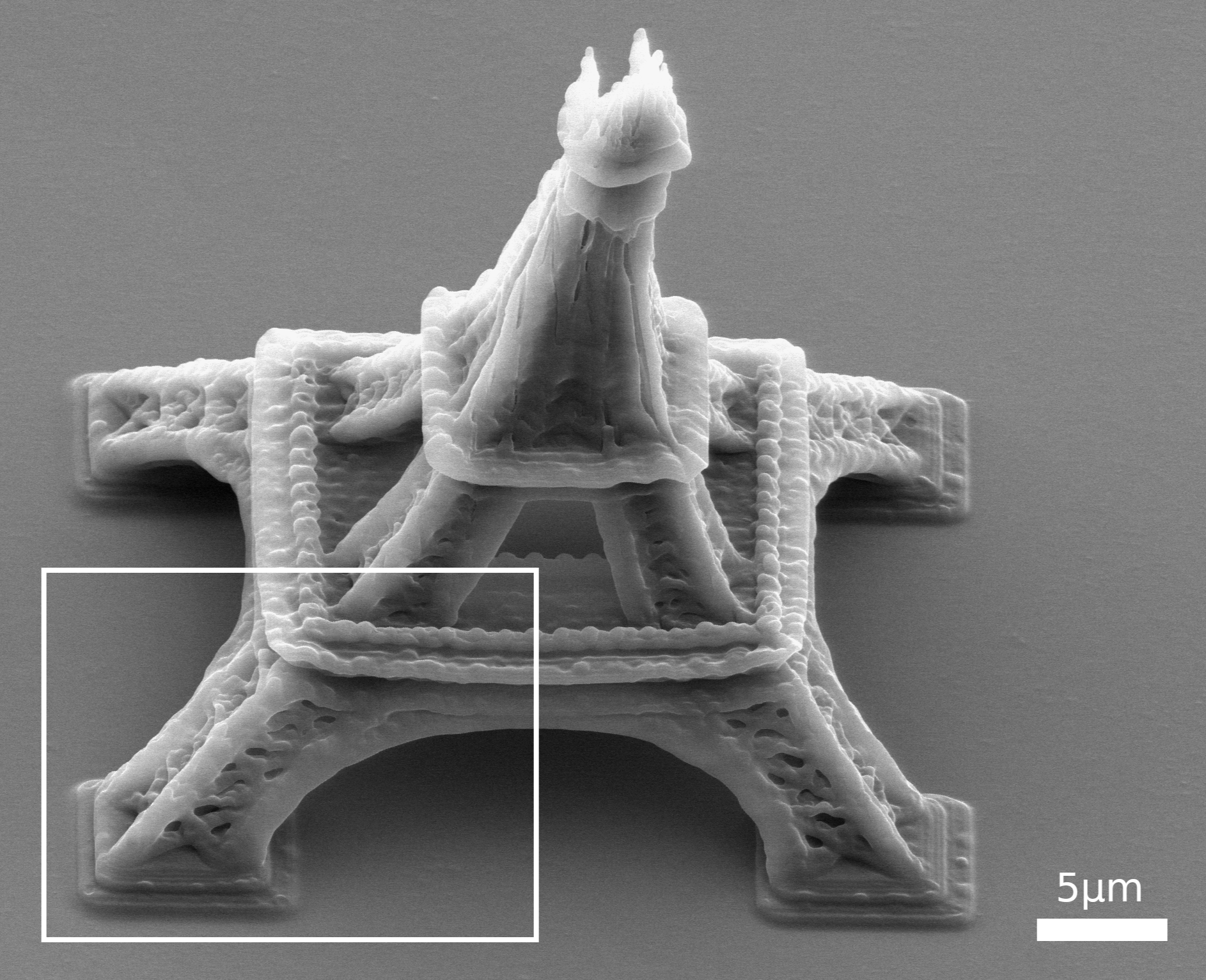
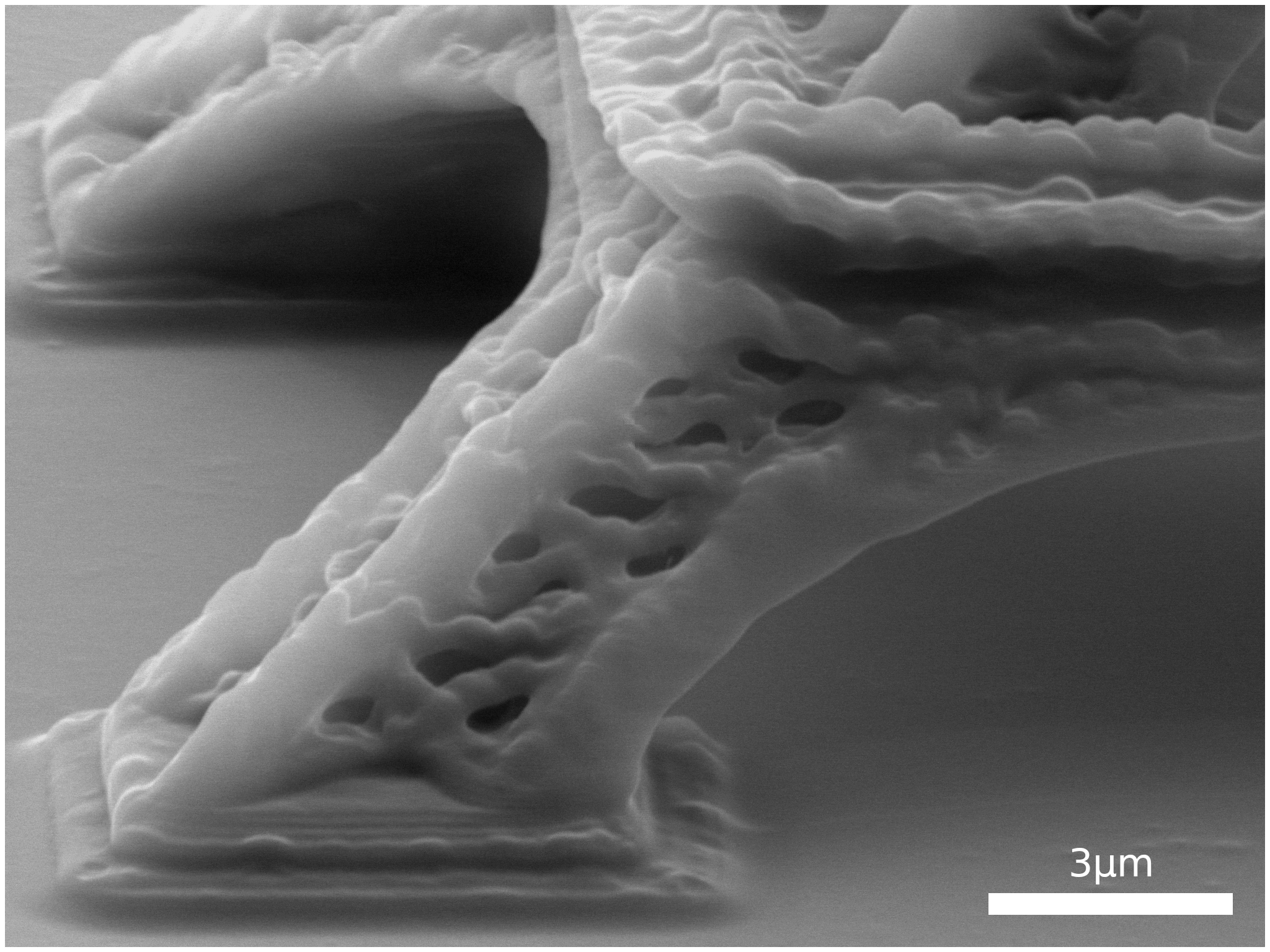
Commercializing next-generation nanofabrication of true 3D structures with resolutions down to <50 nm
Request a Demo!
Get the brochure!

A 2-in-1 solution combining 3D printing with SEM imaging capabilities
✔ True 3D nanofabrication
- voxel control below 50 nm
✔ Clean, photoresist-free workflow
- Non-hazardous precursors
✔ Wide range of precursors
- Including biocompatible materials
✔ Multi-material printing
- Metals & polymers in the same structure
✔ Integrated imaging & fabrication
- SEM analysis of printed structures
✔ Low entrance barrier
- No clean-room or ventilation needs
- Low equipment & consumable costs
Two platforms. One technology. Scalable resolution.
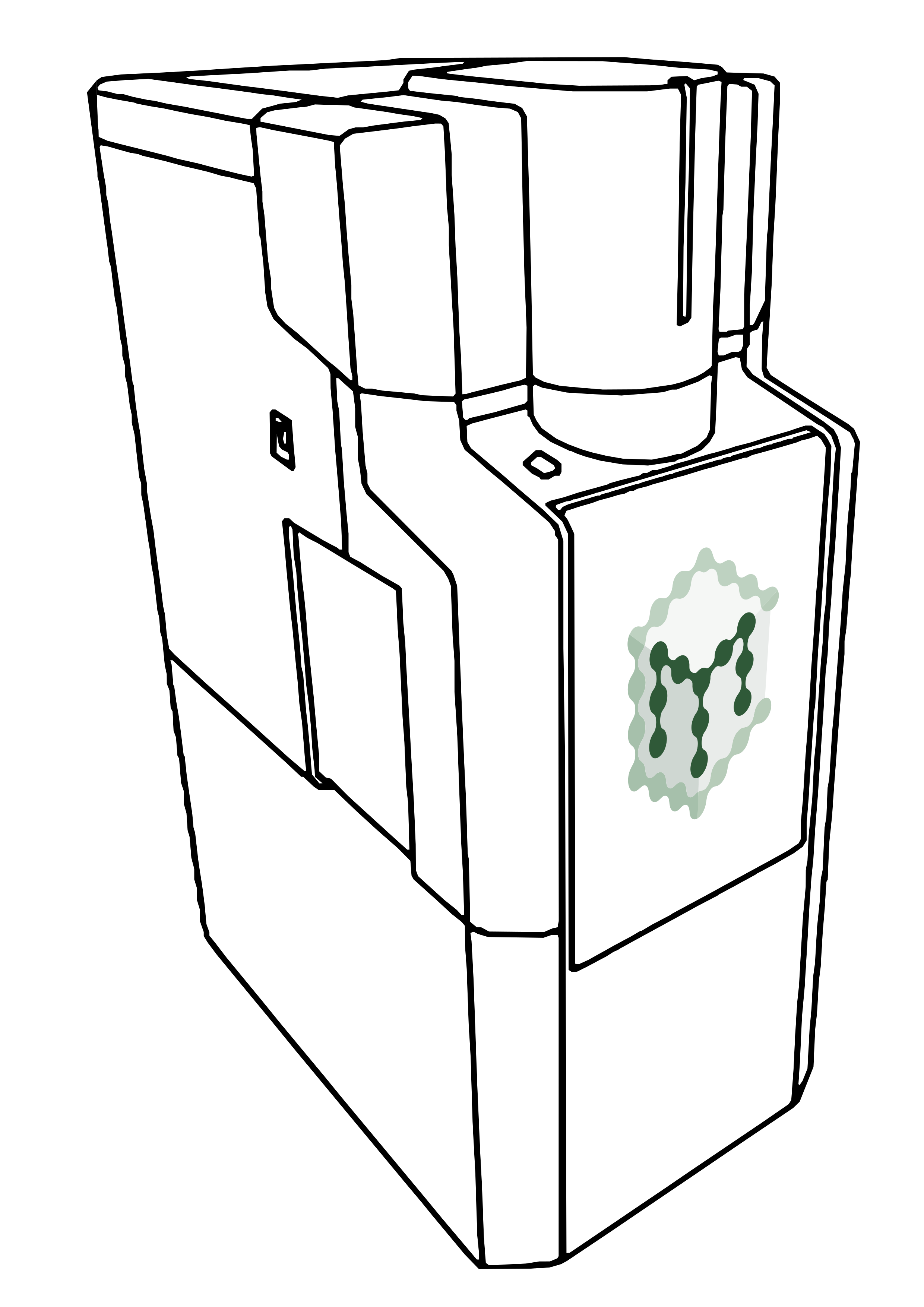
ThorSEM

Scalable & robust
Resolution of ~600 nm
Research labs & rapid prototyping
Thermionic SEM platform
FrejaFESEM
Field-emission SEM platform
High resolution
Voxel sizes of <50 nm
Advanced nanofabrication
Learn more about our Turnkey-solutions, options,
and potential upgrades to your existing SEM!
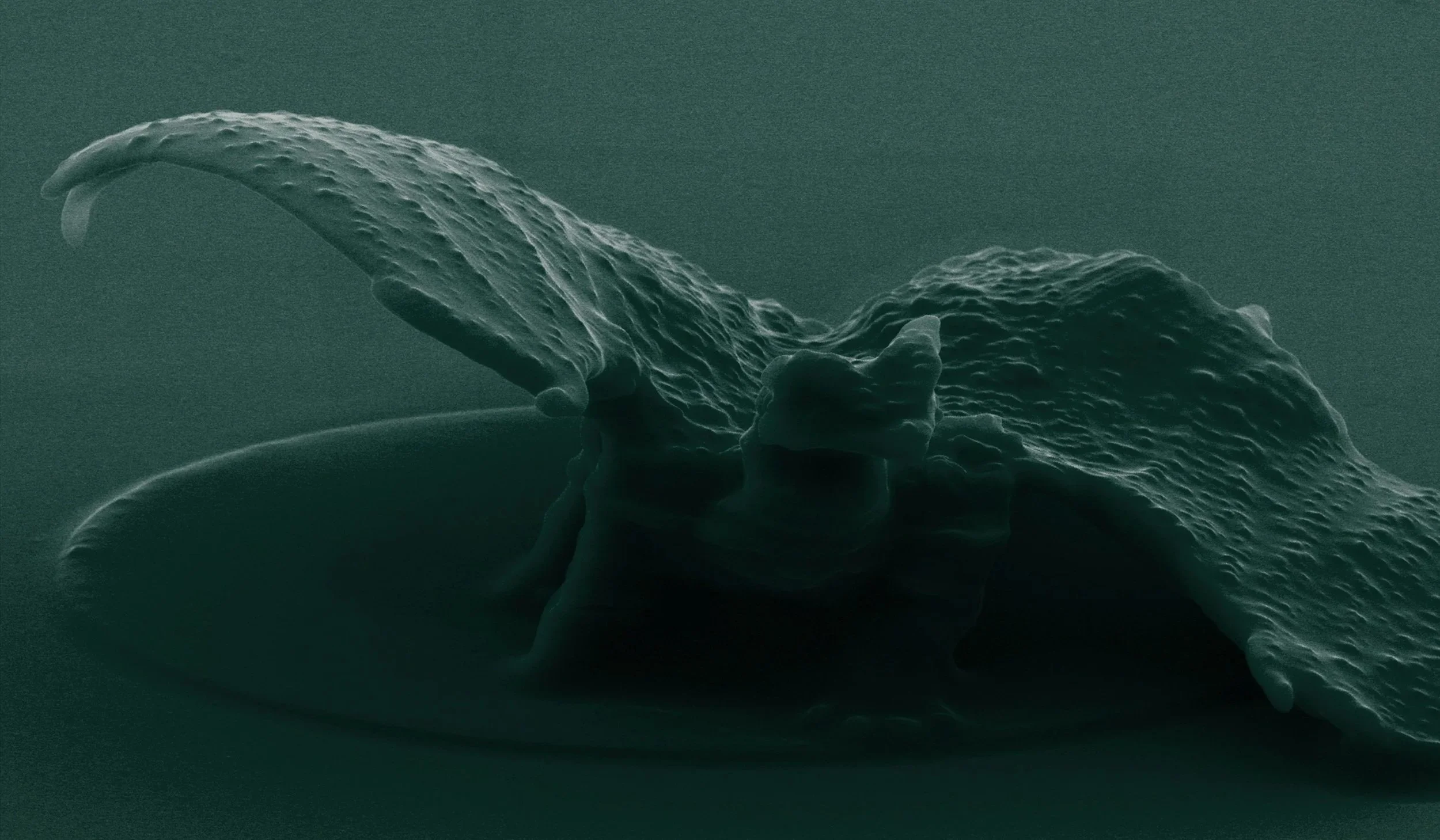
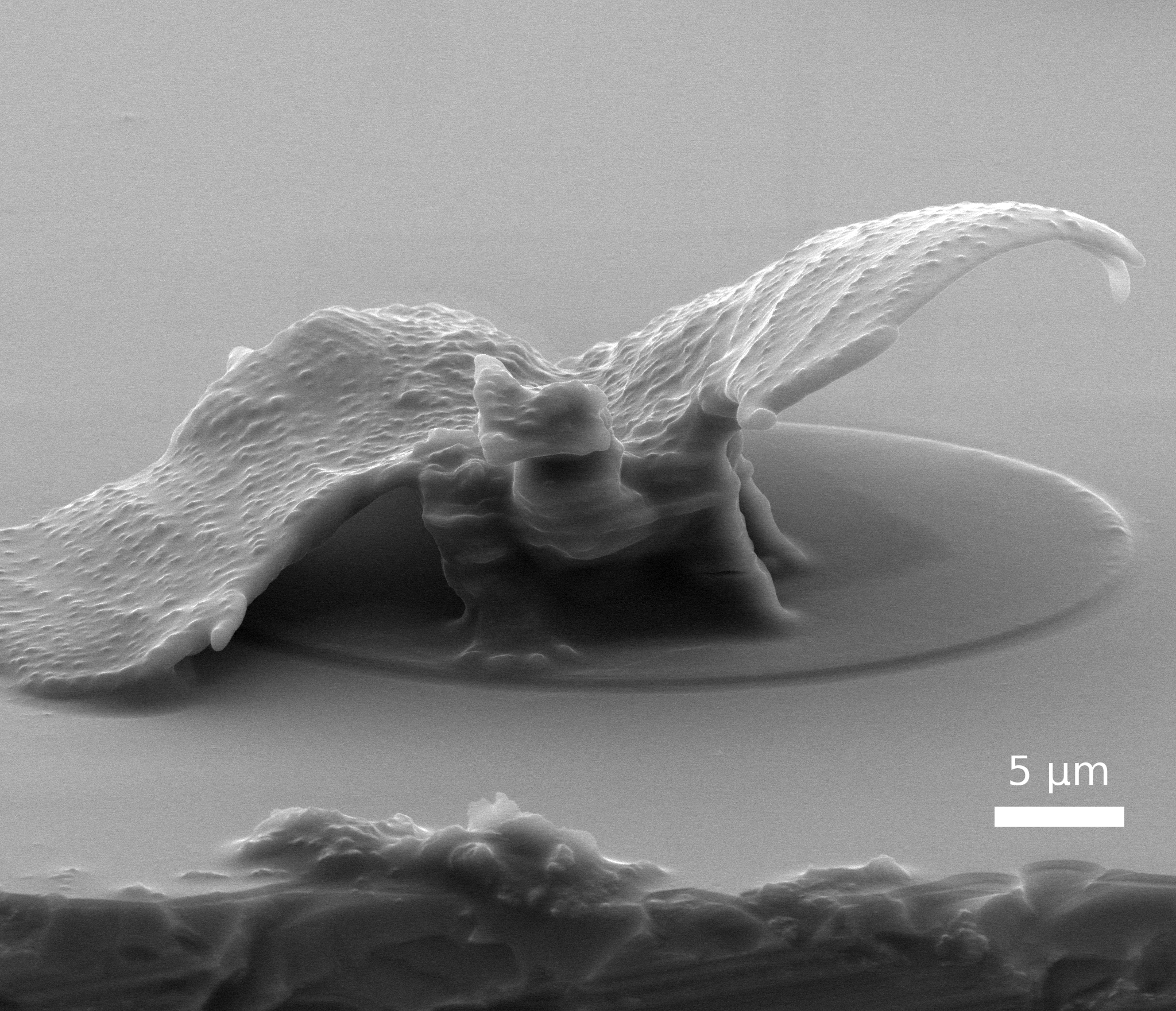
3D Ice Lithography (3DIL) is an advanced, direct-write, additive manufacturing technique used to create complex, high-resolution 3D micro- and nanostructures. Using an electron beam, a vaporized precursor, that is frozen onto a cooled substrate, is cross-linked or decomposed in a sequential manner. The printing typically takes place in a scanning electron microscope.
The process comprises
Gas injection and icing on a cryogenic substrate,
Direct writing into the iced resist via e-beam exposure,
Repetition of icing and writing for layered build up of the intended 3D structure,
Development by evaporation of unexposed resist.
How does 3D Ice Lithography work?
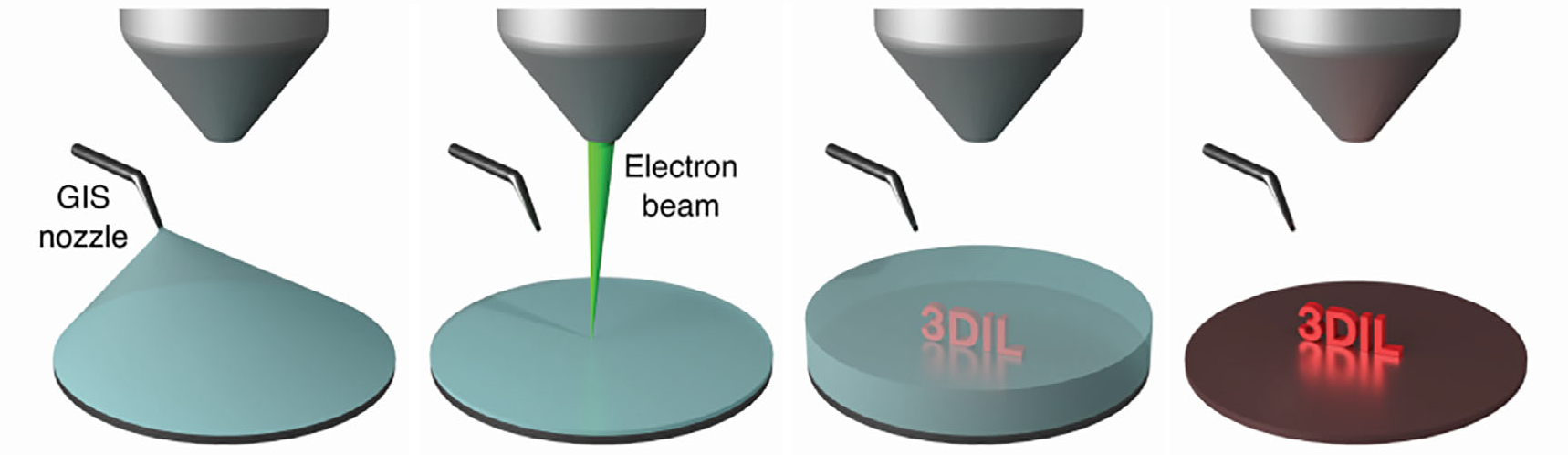
Adapted from B. Chang, G. A. E. Anand, R. Haque, et al. “ Ice Lithography: Recent Progress Opens a New Frontier of Opportunities.” Adv. Funct. Mater. 36, no. 12 (2026): e15237. https://doi.org/10.1002/adfm.202515237